
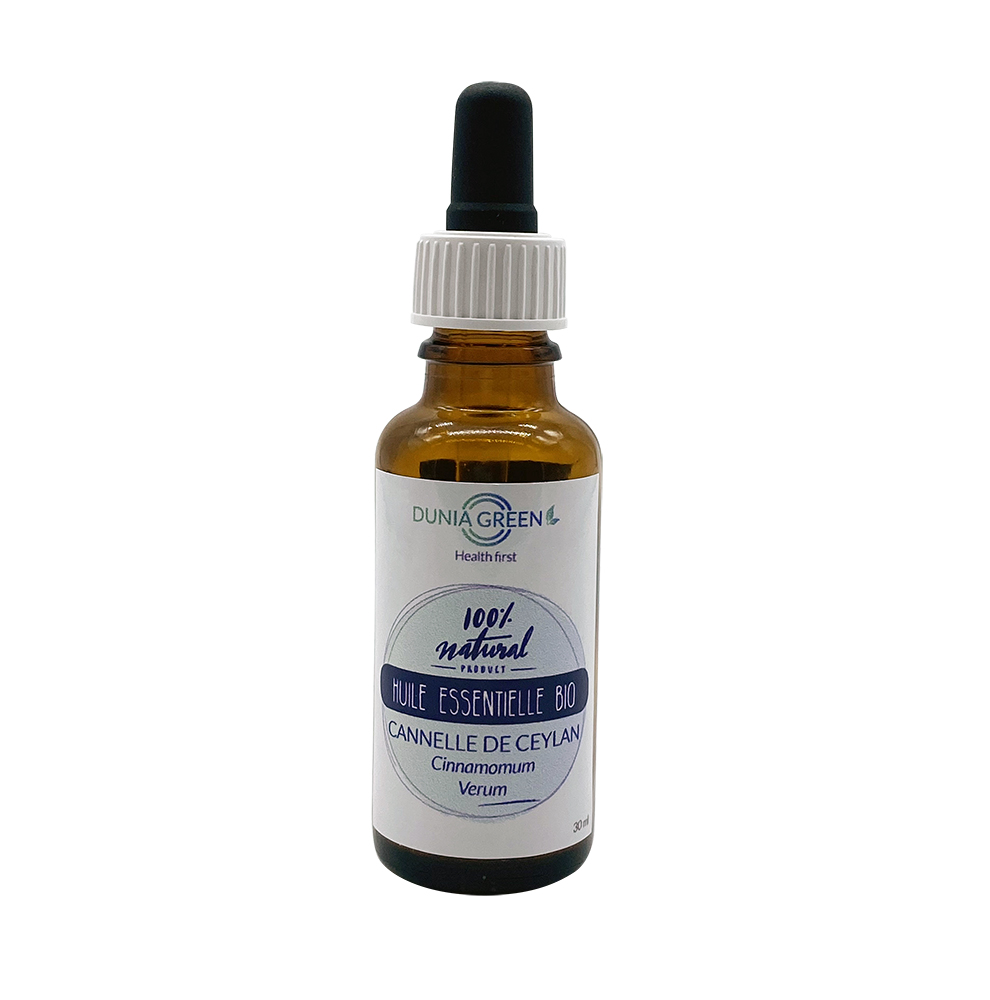
Description
BIOCHEMICAL COMPOSITION
- Phenols: eugenol (70-87%)
- Esters (10%): benzyl benzoate, eugenyl acetate, cinnamyl acetate
- Sesquiterpenes (<8%): beta-caryophyllene
- Aromatic aldehydes (3%): cinnamaldehydes
- And also: monoterpenes, montepenols (cinnamic alcohol (0.5-7%)
PRODUCTION AND PERFORMANCE
Known properties & benefits in aromatherapy
The cinnamaldehyde molecule, whose active compounds are present in the leaves of Cinnamomum verum eugenoliferum, gives it the following properties:
- Anti-Infectious: Cinnamon essential oil is effective against lung, respiratory, intestinal and digestive infections.
- Anti-fungal: effective against urinary and gynecological infections, it will destroy the fungi responsible for mycosis and candidiasis.
- Antiparasitic: Cinnamon essential oil is effective against lice and nits and also against intestinal parasites.
- Antispasmodic (eugenol): Cinnamon essential oil controls smooth muscle spasms. It is especially effective on intestinal spasms.
- Tonic, Stimulant: Cinnamon essential oil is a sexual stimulant (aphrodisiac). It is also sympathico-tonic.
- Anti-oxidant
- Reducer of stomach activity
Indications of cinnamon essential oil (leaf)
Immune deficiencies, Digestive disorders, ENT and respiratory disorders, Mycoses and warts, Urinary tract infection (cystitis, etc.), Genital infection, Anguish, Physical and / or mental asthenia, Latent depression, black thoughts, Frigidity, impotence, Inhibitions mental, Drowsiness.
Routes of administration in aromatherapy
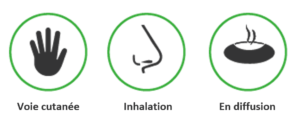
- Skin application: Aerophagia, asthenia, bloating, bronchitis, colitis, colic, constipation, abdominal cramps, infectious diarrhea, difficult digestion, fatigue, frigidity, flu, impotence, intestinal infection, cold, drowsiness, warts
- Respiratory tract (olfaction, inhalation): Anxiety, asthenia, decreased creativity, depression, frigidity, impotence, dark thoughts, impotence, mental inhibitions, lack of appetite, drowsiness
- Internal (oral, vaginal, rectal): Aerophagia, bloating, bronchitis, colitis, colic, abdominal cramps, infectious diarrhea, difficult digestion, influenza, genital infection, intestinal infection, intestinal parasite, urinary tract infection, tropical disease, cold, intestinal spasms.
Dermal:
For the main indications, dilute a drop of essential oil in 10 to 15 drops of vegetable oil, then apply and massage the affected area.
Fatigue: dilute in vegetable oil, massage the back and the soles of the feet.
Infectious diarrhea: dilute in vegetable oil, massage the abdomen.
Flu: dilute in vegetable oil, massage the spine and the arches of the feet.
For ENT disorders: dilute in a vegetable oil, massage the back and the arches of the feet.
Mycosis of the feet: dilute in a vegetable oil, apply directly to the affected areas.
Warts: pure directly on the wart (be careful not to apply to the skin).
Oral route:
This use, potentially indicated for tropical diseases, urinary tract, genital and intestinal infections, must be followed by a therapist.
Precautions for use
- Wash hands before and after using essential oils.
- Do not use in pregnant women during the first 3 months of pregnancy.
- Breast-feeding women, ask your doctor for advice.
- Do not use in babies and children under 3 years old.
Keep bottles of essential oils out of the reach of children. Observe the precautions for use of essential oils.
For any use of essential oils for therapeutic purposes, consult a doctor. Prefer cutaneous use or by diffusion and inhalation, rather than the oral route.
Cinnamon leaf is hepatotoxic in high or repeated doses.
People prone to hypertension and / or suffering from liver problems should consult a specialist or avoid its use.
Product Features


Reviews
There are no reviews yet.